
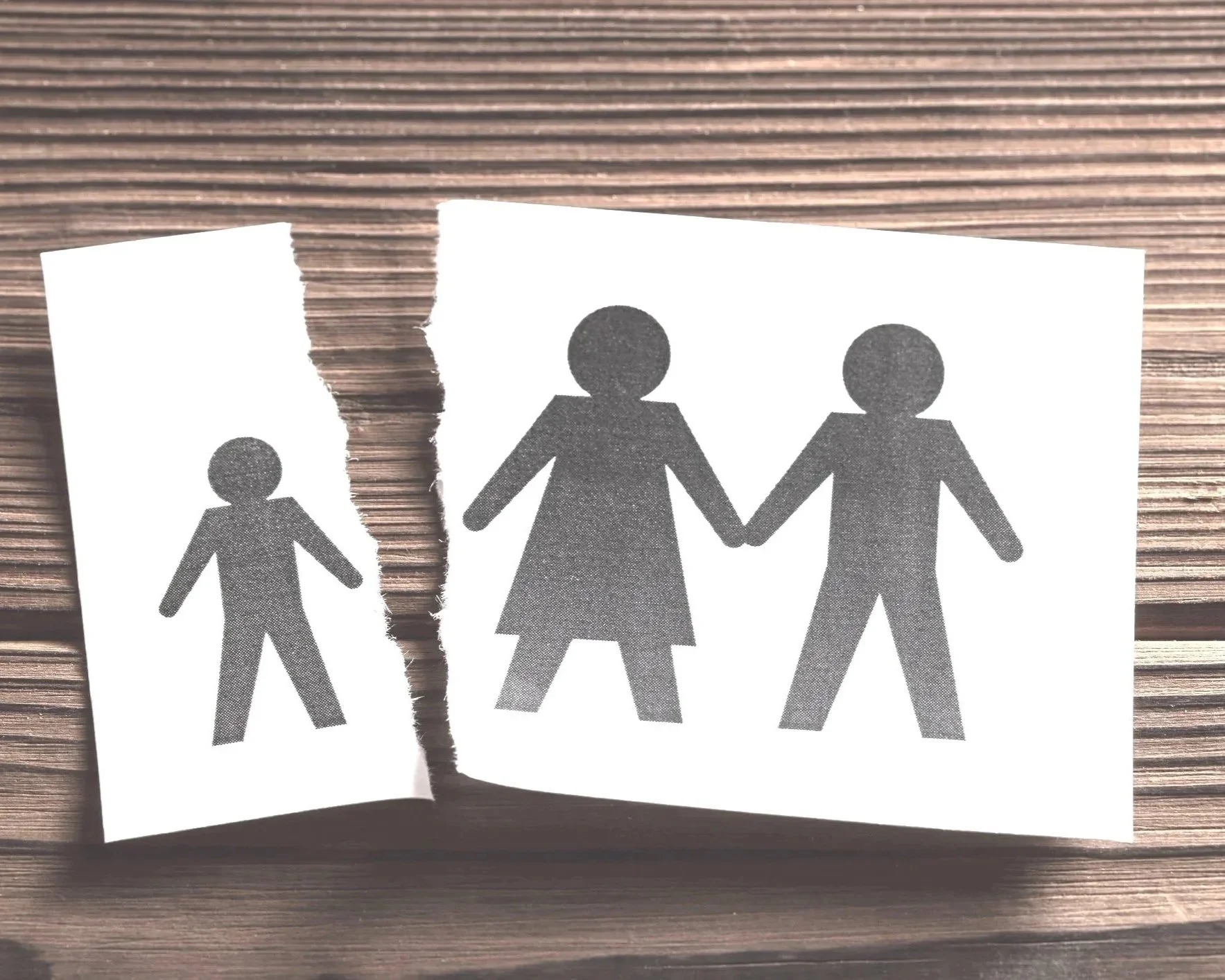
Family Estrangement
The particular pain of a child, sibling, or parent who has pulled away — and learning to live with the uncertainty.
Few things are as painful or as poorly understood as being estranged from a family member. Whether a child has cut off contact, a sibling has gone silent, or you've had to distance yourself from a parent for your own wellbeing, the grief is real and it's complicated.
What makes estrangement so hard is the ambiguity. There's no funeral, no clear ending, no socially recognized way to grieve. And yet the loss can be enormous. Not just of the relationship itself, but of the family you thought you had, the future you imagined, and the version of yourself as a parent, sibling, or child.
Who This Work Is For
I work with people on all sides of estrangement: parents whose adult children have cut off contact, adult children who have distanced themselves from a parent or sibling, and people navigating the complex middle ground of a relationship that's strained but not fully severed.
You might be here because you don't understand what happened and can't stop trying to make sense of it. Because you've been advised by everyone around you to either fight harder or let go, and neither feels right. Because the estrangement has affected your other relationships, your sense of yourself, your ability to enjoy things. Because you're exhausted from carrying it alone.
What the Work Looks Like
There's no roadmap for estrangement. What I offer is a space to grieve without pressure — to feel the full weight of the loss without being rushed toward a resolution that may not be available. Acceptance, in this context, doesn't mean agreement or indifference. It means finding a way to live and to heal even when the situation doesn't resolve the way you hoped.
We'll work on understanding the family dynamics and your own history well enough to make sense of what happened, not necessarily to explain it away, but to carry it with more clarity. We'll work on self-compassion, because estrangement almost always comes with crushing self-doubt, guilt, or anger. And we'll work on rebuilding your sense of yourself outside of this relationship.
Your Questions, Answered
My adult child cut off contact two years ago and I don't know why. Can therapy help?
Yes. Even without resolution or explanation from your child, there is meaningful work to do — grieving the loss, understanding the relationship dynamics, and finding a way to live with the uncertainty. Many parents find that therapy helps them stop spiraling and start healing, even without reconciliation.
I've distanced myself from a toxic parent. Why do I still feel guilty?
Because guilt and self-protection aren't mutually exclusive. You can know that distancing was the right choice for you and still grieve the parent you needed and didn't have. That grief is real and it deserves space.
Is reconciliation the goal?
Not necessarily. The goal is your healing and clarity, whatever shape that takes. For some people, reconciliation becomes possible. For others, it doesn't, or isn't what they want. Both are valid outcomes.
How do I talk to other family members about the estrangement?
This is one of the most practically painful parts of estrangement — the ripple effects through the rest of the family. We can work on that together, including how to set boundaries, manage family gatherings, and protect yourself from being caught in the middle.
Do you work with the whole family?
No, I work with individuals to help them make sense of the estrangement, and if desired, I help them work towards next steps, with or without a goal of reconciliation. If you are searching for a family therapist, I’d be happy to help you find an appropriate professional.
Ready to take the first step? I offer a free 20-minute consultation — no commitment, no pressure. Contact me to schedule.